

How a Skilled Roofer Addresses Storm Damage
Understanding how a skilled roofer approaches storm damage can help homeowners make confident, informed decisions when severe weather strikes. Storms can create hidden problems that escalate quickly, so knowing what steps a local roofer takes to identify and resolve damage can offer clarity during a stressful time. Early 2024 brought a series of severe weather events across the country, and according to RoofLink, communities hit hardest saw a dramatic 65% rise in roof-related insurance claims within just nine months—a reminder of how urgently homeowners must respond when their roofs are compromised. With that in mind, exploring how professionals handle storm-related issues can give homeowners the knowledge needed to protect their property and restore peace of mind.
What Should Homeowners Do Immediately After Storm Damage?
The moments right after a storm can feel overwhelming, but quick, practical steps can prevent a bad situation from becoming worse. The priority is safety. Homeowners should avoid climbing onto the roof or inspecting high areas on their own. Instead, they should walk the property from the ground, noting visible concerns such as fallen branches, missing shingles, or debris resting against the home. If water is entering the interior, placing buckets or containers under leaks can minimize immediate damage, and temporarily covering flooring or furniture can stop moisture from spreading.
At this early stage, contacting a local roofer is one of the most important decisions a homeowner can make. A reputable professional can schedule a timely inspection and advise whether emergency tarping is necessary. Because a local roofer understands the area’s weather patterns and common storm impacts, they can quickly identify whether the roof’s structural integrity is at risk. Homeowners should also take photos or videos of any visible issues—documentation that may help when filing an insurance claim.
If power outages or downed lines are present, calling local utility providers is essential. While waiting on professional help, homeowners should keep an eye out for additional signs of trouble, such as water spots forming on ceilings or unusual sounds in attic spaces. With early attention and prompt communication with a local roofer, homeowners can stop damage from spreading and set the stage for a proper, thorough repair plan.
How Do Local Roofers Assess Storm Damage?
A skilled local roofer approaches every storm-damage inspection with a combination of experience, precision, and safety practices. Their first step is a detailed exterior review. This includes examining shingles for lifting, cracking, bruising, or complete loss, depending on the type of storm that occurred. Hail may leave circular dents or granule loss, while wind may create tearing or displacement patterns. A local roofer also inspects the flashing around chimneys, skylights, and vents—areas that often show early signs of storm-related vulnerability.
Next, gutters and downspouts are evaluated. Severe storms often fill gutters with debris or twist sections out of alignment. These issues might seem minor, but they can lead to water intrusion along the roofline if not handled correctly. A skilled local roofer understands how even small distortions in gutter systems can create problems during the next heavy rainfall.
The inspection continues inside the home. Roofers may check attic spaces for moisture, mold, or insulation changes that indicate slow leaks. They may use moisture meters or thermal imaging tools to locate water pathways that are not visible. A local roofer considers the entire roofing system—including decking, underlayment, and ventilation—to ensure that hidden storm damage doesn’t go unnoticed.
After gathering all findings, the roofer presents a comprehensive report to the homeowner. This often includes photographs, repair recommendations, and guidance on whether damage may qualify for insurance coverage. The goal of a skilled local roofer is to offer clear, trustworthy information so the homeowner understands both the severity of the issue and the best path forward.
What Repair Methods Are Used by Local Roofers?
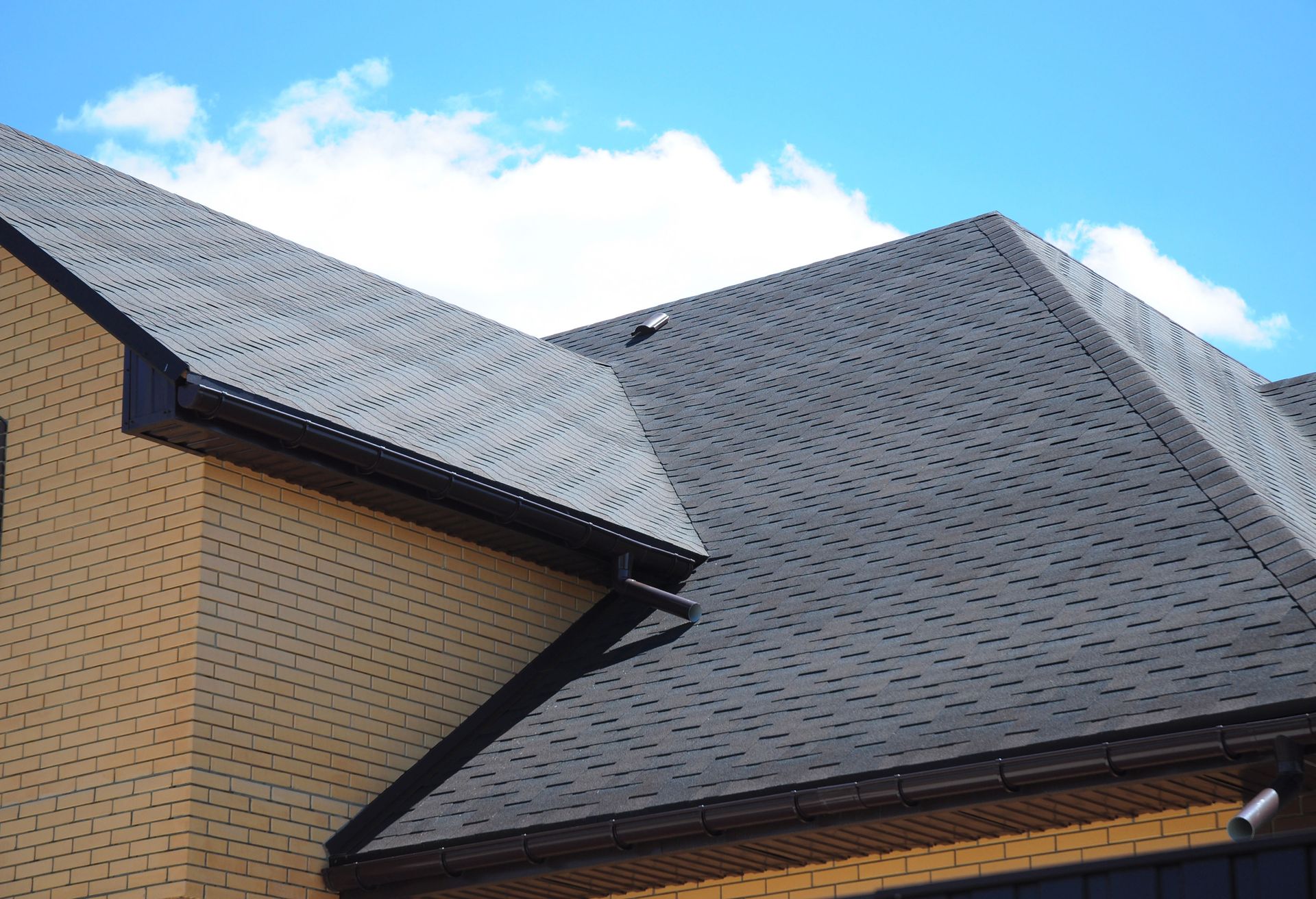
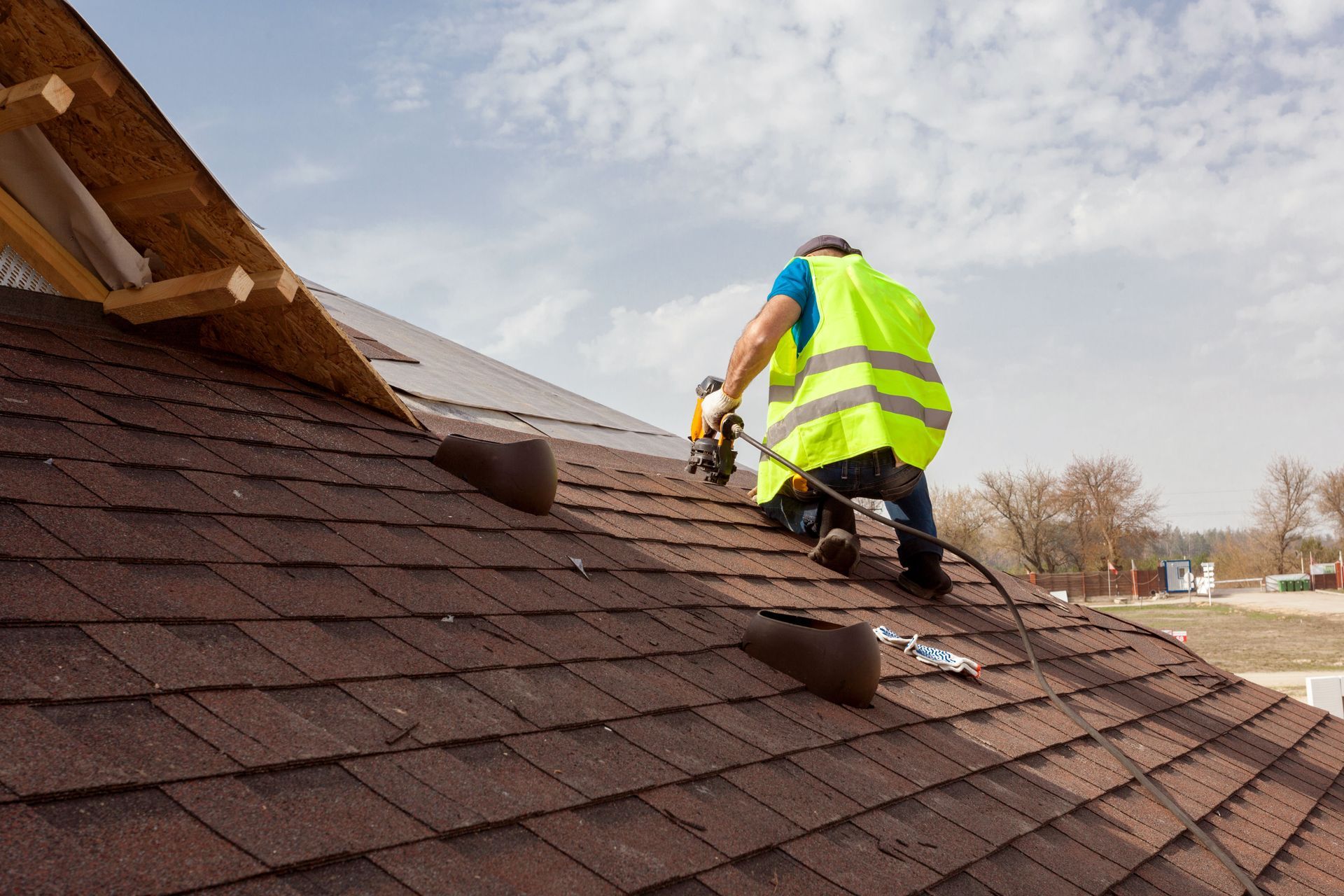
Every roof is unique, and a knowledgeable local roofer adjusts their repair strategy based on material type, age, and the nature of the storm damage. For asphalt shingle roofs—the most common type—repairs may involve replacing individual shingles that were torn off or fractured. If sections show widespread granule loss from hail, the roofer may recommend a partial or full replacement to maintain long-term durability.
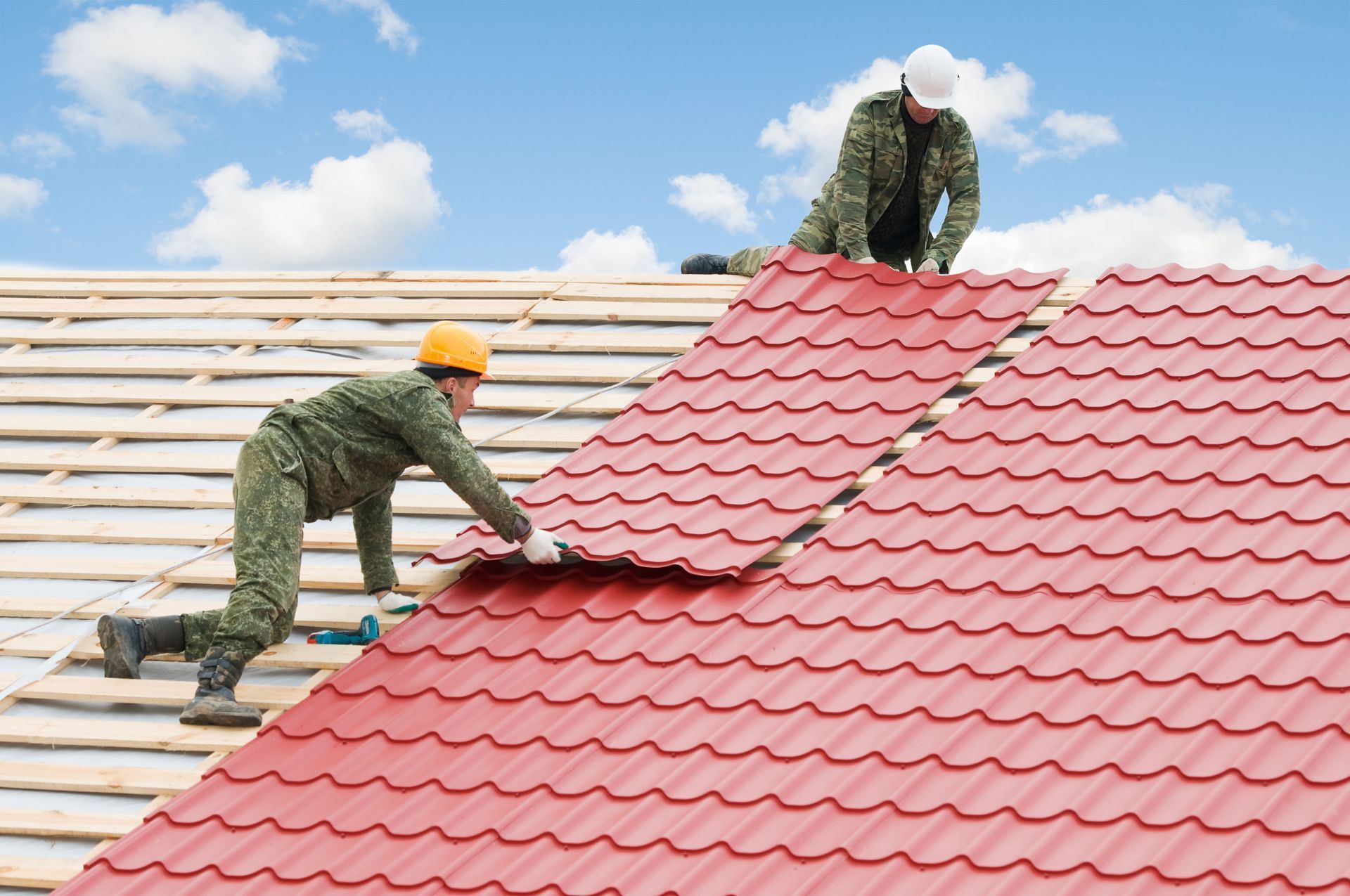
Metal roofs, which often withstand storms better than other materials, may suffer denting or panel displacement during severe weather. A local roofer trained in metal systems can resecure panels, reseal seams, or replace damaged sections to restore the roof’s protective surface. Tile roofs require a different type of precision. Storms can crack or shift tiles, and a roofer experienced with these materials must match replacements carefully while maintaining the integrity of the underlayment below.
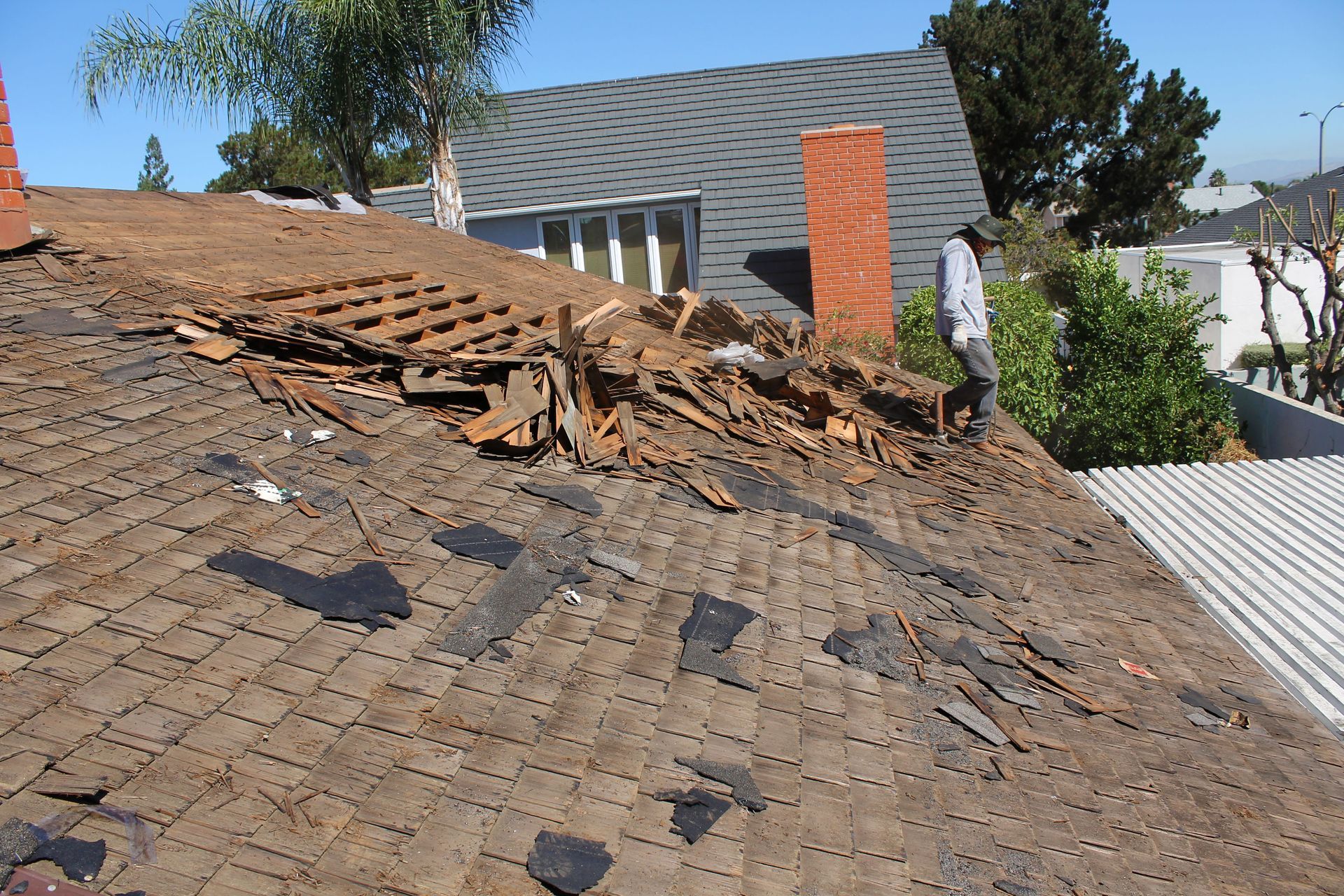
Emergency tarping is another technique often used after major storms. When a roof has open exposure due to missing shingles or structural breaks, a local roofer can apply a secure tarp to prevent further water entry until full repairs can be completed. This temporary measure can make a significant difference in protecting the home’s interior while waiting on insurance approvals or material deliveries.
How Long Will Repairs From Storm Damage Last?
The longevity of storm damage repairs depends on multiple factors, including the roofing material, the severity of the storm, and the quality of workmanship. When repairs are performed by a highly skilled local roofer, homeowners can expect durable results that integrate seamlessly with the existing roofing system. For example, replacing individual shingles can restore the roof’s ability to shed water effectively, while metal or tile repairs often last just as long as the original installation when done correctly.
Environmental conditions also influence repair lifespan. Homes located in areas with frequent windstorms, heavy snow, or intense summer heat may experience faster wear. A local roofer understands these variables and can offer guidance on maintenance steps to improve durability. In some cases, they may recommend upgrading materials or adding protective features such as impact-resistant shingles or reinforced underlayment to enhance long-term performance.
Roof age matters as well. Repairs made on a newer roof typically hold up longer than those made on a roof near the end of its lifespan. A trustworthy local roofer will be honest about whether repairing or replacing the roof is the more cost-effective solution.
When maintained properly and checked periodically—especially after future storms—repairs performed by a skilled local roofer can protect the home for years. The key is partnering with someone who prioritizes quality, thoroughness, and long-term value over quick, superficial fixes.
Why Is It Important To Hire a Local Roofer?
Choosing a local roofer offers advantages that out-of-area contractors simply can’t match. Local professionals understand the unique weather patterns, storm risks, and seasonal conditions homeowners face. This insight enables them to diagnose problems more accurately and recommend solutions tailored to the region.
A local roofer is also easier to reach for follow-up service. If an issue appears a few months after repairs, a local professional can respond quickly, providing ongoing support and peace of mind. They have established reputations within the community, which means homeowners can verify their reliability through local reviews, referrals, and previous work.
Working with a local roofer further ensures familiarity with regional building codes and permitting requirements. Storm-related repairs often involve structural considerations, and an expert can ensure all work meets the highest standards.
In contrast, temporary storm-chasing contractors may offer quick fixes but often lack accountability once they leave the area. By hiring a local roofer, homeowners invest in a trusted relationship that supports both immediate repair needs and long-term home protection.
Storm damage requires prompt attention, and partnering with a skilled
local roofer ensures that problems are diagnosed accurately and repaired with long-lasting quality. From initial assessments to durable repairs and ongoing support, local professionals play an essential role in preserving the safety, value, and integrity of the home. If you need roof repairs, reach out to the team of professionals at Gopher Roofing today!
Share On: